Solar energy has become an increasingly popular option for homeowners looking to reduce energy costs, improve efficiency, and invest in a more sustainable future. Installing solar panels can provide long-term benefits, but the success of a solar system depends on more than just choosing high-quality equipment. One of the most important factors to consider before installation is the condition of your existing roof.
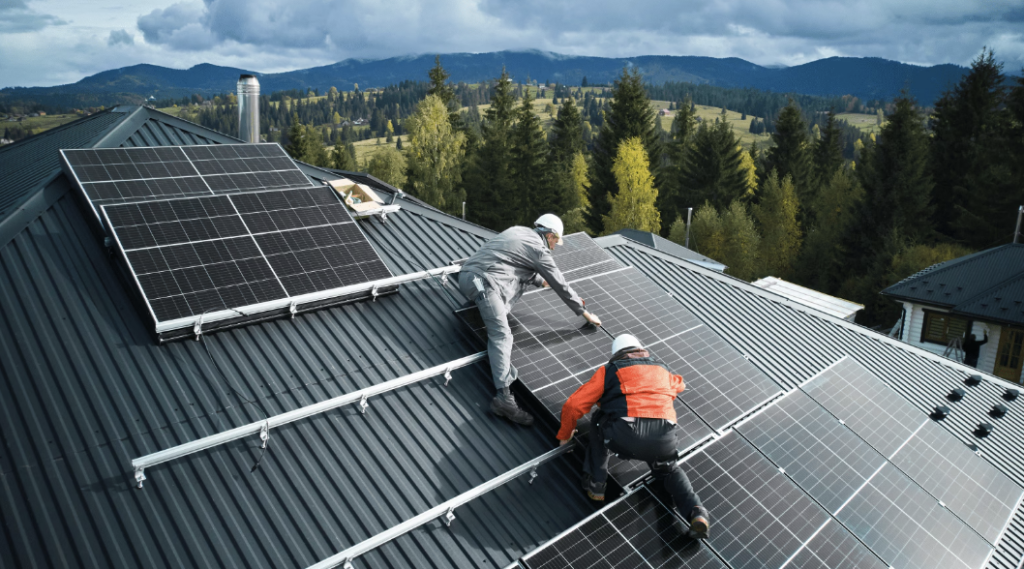
Your roof provides the foundation for your solar panel system. If the roof is damaged, aging, or unable to support the additional weight, installing solar panels without addressing those issues can lead to expensive repairs and complications in the future. A thorough roof evaluation before solar roof installation, roofing company services begin helps ensure your home is prepared for a safe, durable, and efficient solar energy system.
Why Your Roof Should Be Inspected Before Solar Installation
Before solar panels are installed, roofing professionals should inspect the current condition of your roof. Solar panels are designed to last for decades, and your roof should ideally have a similar lifespan to avoid unnecessary removal and reinstallation costs.
A professional roof inspection evaluates:
- Roofing material condition
- Existing leaks
- Damaged shingles or tiles
- Structural strength
- Flashing and seals
- Roof age
- Signs of moisture damage
Identifying problems before installation allows homeowners to address repairs or replacement needs before solar panels are attached to the roof.
Installing Solar Panels on an Aging Roof
One of the most common mistakes homeowners make is installing solar panels on a roof that is already nearing the end of its lifespan. While solar panels may last 25 years or more, an older roof may require replacement much sooner.
If the roof needs repairs after solar panels are installed, the panels usually have to be removed temporarily. This adds extra labor costs and creates unnecessary delays.
Replacing or repairing the roof before installation provides several advantages:
- Prevents future panel removal costs
- Creates a stronger foundation
- Protects the solar investment
- Ensures long-term system performance
A strong, reliable roof allows homeowners to get the maximum value from their solar energy system.
Structural Strength and Weight Considerations
Solar panels add additional weight to your roofing system. Most properly maintained roofs can support solar equipment, but older or damaged roofs may require additional evaluation.
Roofing professionals assess whether the structure can safely support:
- Solar panels
- Mounting hardware
- Weather-related stress
- Additional equipment
If structural weaknesses are found, repairs may be necessary before installation. Addressing these concerns ensures the solar system remains secure during strong winds, storms, and changing weather conditions.
Preventing Water Damage After Solar Installation
A properly installed solar system should not compromise your roof’s ability to keep moisture out. However, installation involves attaching mounting equipment to the roof, which requires careful sealing and waterproofing.
A damaged roof increases the risk of leaks after solar installation. Weak areas, deteriorated materials, or existing moisture problems can become worse over time.
Professional roofing contractors take steps to protect your home by:
- Inspecting roof penetrations
- Checking flashing conditions
- Using proper sealing methods
- Repairing damaged areas before installation
A healthy roof provides better protection and helps prevent water-related issues after solar panels are installed.
Improving Solar System Performance
The condition of your roof can also affect the overall performance of your solar system. A properly maintained roof provides a stable surface for panel placement and allows installers to position panels correctly for maximum energy production.
Issues such as uneven surfaces, damaged materials, or poor roof design may create installation challenges that affect efficiency.
By evaluating roof conditions beforehand, professionals can recommend the best approach for positioning and securing solar panels.
Choosing the Right Roofing Professional
Solar installation requires coordination between roofing expertise and solar knowledge. Choosing a qualified contractor ensures both your roof and solar system receive proper attention.
An experienced solar roof installation roofing company can evaluate your roof, recommend necessary improvements, and complete installation using industry-approved methods.
When selecting a professional, homeowners should look for:
- Experience with roofing systems
- Knowledge of solar installations
- Proper licensing and insurance
- Quality workmanship
- Strong customer reputation
Working with skilled professionals reduces risks and helps ensure your investment performs properly for years.
The Benefits of Combining Roof Replacement and Solar Installation
If your roof needs replacement before solar installation, completing both projects together can be a smart decision. Coordinating the work allows homeowners to create a strong foundation for their solar system while avoiding future disruptions.
Benefits include:
- Reduced labor costs
- Better project coordination
- A longer-lasting roofing system
- Improved home efficiency
- Greater peace of mind
Many homeowners choose to replace an aging roof first and install solar panels afterward to maximize their long-term benefits.
Maintaining Your Roof After Solar Installation
Once your solar panels are installed, regular roof maintenance remains important. Although solar panels protect certain areas of the roof from direct exposure, the surrounding roofing materials still require attention.
Homeowners should:
- Schedule routine inspections
- Keep gutters clear
- Monitor for leaks
- Check for storm damage
- Maintain proper drainage
Regular maintenance helps protect both the roofing system and the solar investment.
Why Preparation Is Essential
Solar panels represent a significant investment, and proper preparation helps protect that investment. Installing panels on a damaged or unsuitable roof can create unnecessary expenses and reduce the effectiveness of the system.
A detailed roof assessment before installation ensures that any problems are addressed before they become major concerns. It also provides homeowners with confidence that their solar system is installed on a safe and reliable foundation.
Conclusion
The condition of your roof plays a critical role in the success of a solar panel project. Before investing in solar energy, homeowners should ensure their roof is strong, durable, and capable of supporting the new system.
A professional inspection helps identify repairs, structural concerns, and potential issues before installation begins. By working with experienced roofing professionals and preparing your roof properly, you can enjoy the benefits of solar energy while protecting your home for many years to come.