
Key Takeaways
- Title insurance addresses certain legal ownership risks tied to events that occurred before you bought the property.
- Homeowners insurance protects against many future physical losses, while title insurance focuses on defects in title.
- A lender’s policy protects the mortgage lender. An owner’s policy is designed to protect the buyer’s covered interest.
- Exceptions listed in a title commitment or final policy can limit coverage for specific matters.
- Reviewing title documents before closing gives you time to ask for clarification or corrections.
Buying a home means buying more than a building and a parcel of land. You are also receiving the legal rights connected to that property. Resources such as title.com can help buyers understand why a clear ownership history matters before money changes hands.
Title insurance is often a one-time closing cost, but it can become important long after move-in day if an old lien, recording mistake, or competing ownership claim appears. The key is understanding what the policy covers, what it leaves out, and which documents deserve a close review before signing.
Title Insurance in Simple Terms
“Title” is the legal right to own, use, and transfer real property. A title problem can arise when records from an earlier sale, inheritance, divorce, loan, or construction project do not accurately reflect who has rights in the property. Unlike many insurance products, title insurance is intended to address covered risks that existed before the policy’s effective date, even if no one knew about them at closing.
For example, a buyer may later learn that a former owner’s unpaid remodeling bill resulted in a contractor lien that was never properly released. Depending on the policy terms and circumstances, title insurance may provide financial protection and a legal defense for a covered claim.
Title Insurance vs. Homeowners Insurance
These policies address different categories of risk, and neither replaces the other.
- Homeowners insurance: Usually addresses future losses involving the home, belongings, and personal liability, subject to policy terms. Examples may include fire, theft, wind damage, or certain liability claims.
- Title insurance: Addresses covered defects in ownership, liens, claims, or public-record issues that predate the policy.
- Home inspection: Evaluates visible and accessible aspects of the property’s physical condition.
- Title search: Examines the property’s ownership and recorded legal history.
Common Title Problems
A title search is meant to identify issues before closing, but some problems can be difficult to detect. Common concerns include unpaid property taxes, unreleased mortgages, contractor liens, forged documents, recording errors, incorrect legal descriptions, undisclosed easements, and missing heirs who claim an ownership interest.
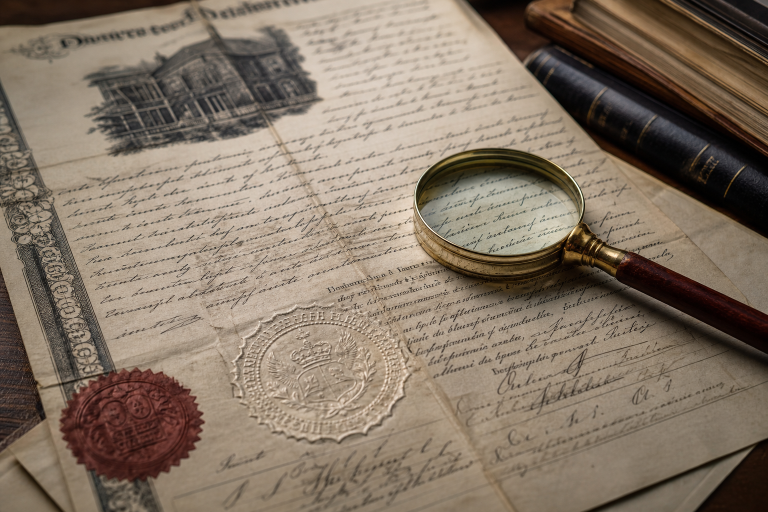
Other complications can follow a probate case, foreclosure, bankruptcy, divorce, or fraudulent impersonation in an earlier transaction. Boundary disputes and encroachments may also matter, although the availability of coverage depends on the policy, any survey, endorsements, and listed exceptions. A title issue does not always mean a buyer will lose the property, but resolving one can be expensive and time-consuming without appropriate protection.
Owner’s Policy vs. Lender’s Policy
A financed purchase commonly involves two different title policies. A lender’s policy protects the lender’s security interest in the mortgage. Its amount generally corresponds to the loan amount, and its protection ends when the loan is paid off.
An owner’s policy protects the buyer’s covered ownership interest, rather than the lender’s interest. That distinction matters because a lender’s policy does not insure the buyer’s equity. An owner’s policy may remain in effect while the insured owner, or in some cases, heirs, retains an interest in the property, subject to the policy’s terms. Cash buyers do not need a lender’s policy, but they may still decide that an owner’s policy is worth considering.
How the Title Search Works
- The title professional reviews available public records, which may include deeds, mortgages, tax records, judgments, maps, probate filings, and recorded liens.
- The review traces the chain of ownership and identifies claims or restrictions affecting the property.
- Potential concerns appear in a title commitment or preliminary report, along with conditions that must be satisfied before a policy is issued.
- The seller, lender, closing agent, or another party may need to pay off a lien, obtain a release, correct a document, or provide missing signatures.
- After the required conditions are met, the final policy is issued.
What Title Insurance May Not Cover
Title insurance is not a guarantee against every property-related problem. Coverage depends on the policy language, endorsements, state requirements, and exceptions shown in the commitment and final policy. The title search and policy terms explained by the California Department of Insurance show why buyers should distinguish between covered risks and matters excluded from protection.
- Problems you knew about before closing and did not disclose to the insurer.
- Liens, debts, or other matters created after the policy date.
- Physical defects such as roof damage, plumbing failures, mold, or needed repairs.
- Some zoning, building-code, environmental, land-use, and permit issues.
- Matters specifically listed as policy exceptions, including certain easements, restrictive covenants, or survey-related issues.
How to Read Closing Documents
Set aside time to review the title commitment before closing, rather than treating it as routine paperwork. Confirm that every buyer’s and seller’s name is correct, and compare the property address with the legal description. Ask whether recorded taxes, judgments, mortgages, or liens will be cleared at or before closing.
Then compare the commitment with the final owner’s policy when it is issued. Pay particular attention to Schedule B exceptions or similarly labeled exception sections. Check the owner’s policy amount separately from the lender’s policy amount, and review title-related charges on your Loan Estimate and Closing Disclosure if you are financing the purchase. Ask whether endorsements are available if a survey, easement, condominium, or planned-community issue needs further attention.
Questions to Ask Before Closing
- What issues did the title search identify?
- Which exceptions will remain in the final policy?
- Which liens or recorded claims must be resolved before closing?
- Who is paying for the owner’s policy and the lender’s policy?
- Is there a simultaneous-issue or prior-policy discount available?
- Would an endorsement address a specific concern affecting this property?
- When should a real estate attorney review the issue?
What to Do If a Title Problem Appears Later
Keep your final policy, deed, Closing Disclosure, settlement documents, and relevant notices in a safe place. If you receive a lien notice, lawsuit, demand letter, or claim from someone asserting rights in the property, notify the title insurer promptly and follow the claim procedures in your policy. Do not ignore legal deadlines. When ownership, boundaries, probate, foreclosure, or access rights are disputed, consider speaking with a qualified real estate attorney.
Final Checklist for Buyers
- Read the title commitment before signing the closing documents.
- Identify the difference between covered risks and policy exceptions.
- Confirm whether you are receiving an owner’s policy, a lender’s policy, or both.
- Verify that known liens and claims are being addressed.
- Compare the final policy with the commitment and store it after closing.
Title insurance may be only one part of a real estate transaction, but it addresses ownership risks that can be difficult to see at closing. Buyers do not need to become title experts. They do need to read the exceptions, ask direct questions, and know whether the policy protects their own financial interests.