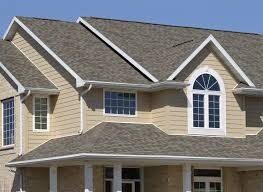
Severe weather can put significant stress on your home’s roofing system. Heavy rain, strong winds, hail, lightning, and falling debris can all create conditions that lead to roof damage and costly repairs. While no homeowner can completely prevent storm damage, proper preparation can greatly reduce the risk of major problems and help your roof perform better during extreme weather.
Taking time to inspect, maintain, and strengthen your roof before storm season arrives is one of the smartest ways to protect your home. Preventive care not only improves your roof’s ability to withstand harsh conditions but also helps identify small issues before they become serious problems.
Schedule a Professional Roof Inspection
One of the most important steps in preparing your roof for storm season is scheduling a professional inspection. Roofing problems are often difficult to detect from the ground, and minor issues can become major weaknesses during severe weather.
A roofing professional can inspect shingles, flashing, gutters, roof edges, vents, and other vulnerable areas to identify signs of damage or deterioration. Loose shingles, cracked materials, worn seals, and damaged flashing can allow water to enter your home during heavy rainfall.
Addressing these issues before storms arrive reduces the likelihood of emergency repairs and helps maintain the overall strength of your roofing system.
Repair Damaged Roofing Materials
Even small roof problems can become significant during severe weather. Missing shingles, cracked tiles, damaged metal panels, or weakened areas of the roof can allow wind and water to penetrate the structure.
Strong winds may lift loose materials, while heavy rain can enter through existing cracks or openings. Making necessary repairs before storm season helps prevent further damage and protects the interior of your home.
Professional storm damage roof repair services can address existing vulnerabilities and restore your roof’s ability to withstand challenging weather conditions.
Clean and Maintain Your Gutters
Your gutter system plays an essential role in protecting your roof and foundation by directing rainwater away from your home. However, clogged gutters can prevent proper drainage and cause water to back up onto the roof.
Before storm season, remove leaves, branches, dirt, and other debris from gutters and downspouts. Make sure water can flow freely and that downspouts direct water away from your foundation.
Properly maintained gutters reduce the risk of water overflow, roof leaks, and moisture-related damage during heavy storms.
Inspect Flashing and Roof Penetrations
Flashing is installed around areas where your roof meets structures such as chimneys, skylights, vents, and walls. These areas are especially vulnerable to leaks if flashing becomes loose, cracked, or damaged.
During storm preparation, inspect these areas carefully or have them evaluated by a professional. Damaged flashing should be repaired or replaced to create a stronger barrier against rainwater.
Maintaining secure flashing helps prevent water intrusion during severe weather events.
Trim Nearby Trees and Remove Hazards
Trees surrounding your home can create additional risks during storms. Strong winds may break branches or uproot trees, causing them to fall onto your roof and create significant damage.
Trim overhanging branches before storm season and remove dead or weakened limbs that could become dangerous during high winds.
Keeping trees properly maintained protects your roof from impact damage while also improving safety around your property.
Check Your Attic and Roof Ventilation
A healthy roofing system depends on proper attic ventilation. Poor ventilation can contribute to moisture buildup, temperature fluctuations, and premature deterioration of roofing materials.
Before storm season, inspect your attic for signs of moisture, mold, or inadequate airflow. Proper ventilation helps regulate temperatures and prevents moisture problems that can weaken your roof over time.
A well-maintained attic environment supports the overall performance and durability of your roofing system.
Secure Loose Outdoor Items
Storm preparation should include protecting items around your property that could become airborne during strong winds. Patio furniture, tools, decorations, and outdoor equipment can damage your roof if they are blown into it.
Secure loose items or move them indoors before severe weather arrives. Taking these simple precautions reduces the risk of impact damage to your roofing materials.
Review Your Insurance Coverage
Understanding your homeowner’s insurance policy before storm season is an important part of preparation. Review what types of storm damage are covered and understand the process for filing a claim if repairs become necessary.
Keeping records of previous inspections, maintenance work, and roof improvements can also be helpful when documenting the condition of your roof.
Being prepared with proper documentation makes the recovery process easier if storm damage occurs.
Know the Signs of Storm Damage
Even with proper preparation, storms can still cause unexpected damage. After severe weather, inspect your property from a safe location and look for warning signs such as:
- Missing or damaged shingles
- Visible dents from hail
- Loose flashing
- Water stains on ceilings or walls
- Granules collecting in gutters
- Leaks or moisture in the attic
If you notice any of these signs, scheduling an inspection quickly can prevent additional damage.
Respond Quickly After a Storm
Delaying repairs after storm damage can allow small issues to become much larger problems. Water can spread through roofing materials, insulation, and interior structures, leading to mold growth and expensive restoration needs.
Professional storm damage roof repair helps identify the full extent of damage and provides the necessary repairs to restore your roof’s protection.
Working with experienced roofing professionals ensures repairs are completed correctly and helps prevent recurring problems.
Conclusion
Preparing your roof before storm season is one of the best ways to protect your home from severe weather damage. Regular inspections, timely repairs, clean gutters, secure flashing, proper ventilation, and proactive maintenance all contribute to a stronger and more reliable roofing system.
While storms cannot always be avoided, preparation can make a significant difference in how your roof responds to extreme conditions. By taking preventive steps and addressing issues early, homeowners can reduce the risk of costly repairs and maintain a safer, more durable home throughout storm season.