Your vehicle’s tires are one of its most important safety components. They provide the traction needed for braking, steering, and maintaining control in a variety of driving conditions. While purchasing high-quality tires is a smart investment, proper maintenance is what truly determines how long they will last. By following a few simple maintenance practices, drivers can maximize tire lifespan, improve fuel efficiency, and enjoy a safer driving experience throughout the year.
Many drivers assume that tire wear is unavoidable and only think about their tires when a problem develops. However, routine inspections and preventive maintenance can significantly reduce uneven wear and help you get the most value from your investment. Whether you commute daily, take weekend road trips, or drive short distances around town, consistent tire care makes a noticeable difference.
Check Tire Pressure Regularly
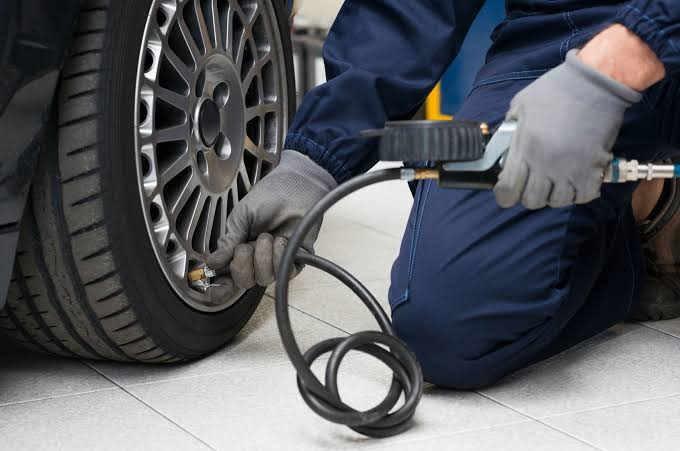
Maintaining the correct tire pressure is one of the easiest and most effective ways to extend tire life. Tires naturally lose air over time, and temperature changes can also affect air pressure. Underinflated tires create more rolling resistance, causing excessive heat buildup and faster tread wear. Overinflated tires, on the other hand, reduce the amount of tread contacting the road, leading to uneven wear and decreased traction.
Experts recommend checking tire pressure at least once a month and before long trips. Always use the pressure specifications listed on your vehicle’s driver’s side door sticker or owner’s manual rather than the maximum pressure printed on the tire itself. Proper inflation not only extends tire life but also improves handling, braking performance, and fuel economy.
Rotate Tires on Schedule
Tires wear differently depending on their position on the vehicle. Front tires often wear faster because they handle steering and a greater share of braking forces, especially on front-wheel-drive vehicles. Regular tire rotations distribute wear more evenly across all four tires.
Most manufacturers recommend rotating tires every 5,000 to 8,000 miles or during routine oil changes. Following a consistent rotation schedule helps maintain balanced performance, extends tread life, and delays the need for premature tire replacement.
Keep Wheels Properly Aligned
Wheel alignment plays a major role in tire longevity. Even a slight alignment issue can cause tires to wear unevenly, reducing their lifespan and affecting vehicle handling. If your vehicle pulls to one side, the steering wheel is off-center, or you notice uneven tread wear, it may be time for an alignment inspection.
Proper alignment ensures that each tire meets the road at the correct angle, promoting even tread wear while improving steering response and overall driving comfort. Addressing alignment issues early helps prevent expensive tire replacements later.
Balance Your Tires
Wheel balancing is another important maintenance service that many drivers overlook. Unbalanced tires can cause vibrations, uneven tread wear, and unnecessary strain on suspension components. You may notice vibrations in the steering wheel or throughout the vehicle as speeds increase.
Professional tire balancing ensures that weight is evenly distributed around each wheel assembly. This simple service improves ride quality, enhances tire performance, and contributes to longer-lasting tires.
Inspect Tread Wear Frequently
Regular visual inspections can help identify problems before they become serious. Check your tires for uneven wear patterns, cuts, punctures, bulges, embedded debris, or cracks in the sidewalls. Catching these issues early may allow for repairs before significant damage occurs.
Monitoring tread depth is equally important. Worn tread reduces traction, especially during rain or snowy conditions, increasing the risk of hydroplaning and longer stopping distances. Replacing tires before they become excessively worn helps maintain both safety and performance.
Drive Responsibly
Driving habits have a direct impact on tire life. Aggressive acceleration, sudden braking, hard cornering, and frequent speeding all contribute to faster tread wear. Smooth driving techniques reduce unnecessary stress on tires and improve fuel efficiency.
Avoiding potholes, curbs, and road hazards whenever possible also protects both tires and wheels from damage. Simple adjustments to driving behavior can add thousands of miles to a tire’s usable life.
Don’t Ignore Seasonal Changes
Weather conditions affect tire performance throughout the year. Cold temperatures reduce tire pressure, while hot weather increases air pressure and accelerates wear if tires are already underinflated or overloaded. Seasonal inspections help ensure your tires remain properly inflated and in excellent condition regardless of the weather.
For drivers experiencing harsh winters, switching to winter tires during colder months can reduce wear on all-season or summer tires while providing improved traction and safety.
Maintain Proper Vehicle Weight
Overloading your vehicle places additional stress on your tires, increasing heat buildup and accelerating tread wear. Every vehicle has a maximum load capacity established by the manufacturer. Staying within these limits helps preserve tire integrity and reduces the likelihood of blowouts or premature failure.
Distributing cargo evenly throughout the vehicle also helps prevent uneven wear patterns and improves overall vehicle stability.
Invest in Quality Tires and Professional Service
Routine maintenance is most effective when combined with quality tires that match your vehicle and driving needs. Professional technicians can recommend the right tire type, monitor wear patterns, perform alignments, rotations, balancing, and identify developing issues before they become costly repairs.
If you’re considering tire sales in Wellesley, MA, working with experienced automotive professionals ensures you select tires designed for local road conditions, seasonal weather, and your specific driving habits. The right combination of quality products and expert maintenance can maximize both performance and longevity.
Conclusion
Proper tire maintenance is one of the simplest ways to protect your investment while improving safety, fuel efficiency, and overall driving performance. Regular pressure checks, tire rotations, wheel alignments, balancing, tread inspections, and responsible driving habits all work together to extend tire life and reduce long-term ownership costs.
Drivers who prioritize preventive maintenance enjoy more consistent handling, fewer unexpected repairs, and greater confidence behind the wheel. Whether you’re maintaining your current set or exploring tire sales in Wellesley, MA for a replacement, caring for your tires consistently will help you get the best possible value from every mile you drive.