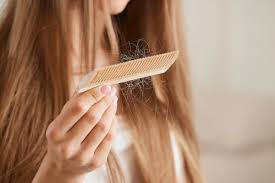
Key Takeaways
- Hair shedding, hair breakage, and progressive hair loss are different concerns.
- Stress, illness, nutrition, hormonal shifts, medication, and genetics can affect the hair cycle.
- Temporary shedding may become visible weeks or months after a major stressor.
- Steady meals, adequate protein, sleep, and gentle styling can support overall hair health.
- Patchy, painful, sudden, or ongoing hair loss should be assessed by a qualified healthcare professional.
Seeing more hair in the shower, on a pillowcase, or in a brush can be unsettling. Yet increased shedding does not always mean permanent hair loss. Before assuming a single cause or reaching for a new routine, it helps to understand the hair cycle, recent changes in your health, and the differences between shedding, thinning, and breakage. Some people also explore options such as Nutrafol hair vitamins, but nutrition support should never replace a balanced diet or an evaluation when symptoms are persistent or sudden.
Hair changes can reflect many overlapping factors, including stress, illness, rapid weight changes, hormones, medication, genetics, scalp conditions, and styling habits. A practical approach is to look for patterns, treat the scalp and strands gently, and seek medical guidance when warning signs appear.
Hair Shedding vs. Hair Loss
Normal shedding is part of having hair. Shed hairs usually come out from the root and may have a tiny bulb at one end. Breakage is different: it often leaves shorter, uneven strands and may be linked to heat, chemical processing, rough detangling, or repeated pulling. Progressive hair loss tends to develop more gradually, with widening parts, thinning at the crown, or recession around the temples.
The American Academy of Dermatology notes that people commonly shed about 50 to 100 hairs daily, while excessive shedding can occur after major physical or emotional stressors. Its guide to hair shedding versus hair loss offers a useful overview of the distinction between them.
How the Hair Growth Cycle Works
Hair follicles move through a growing phase, a transition phase, a resting phase, and finally a shedding phase. Because of this cycle, the event that affects your hair may happen well before you notice extra strands falling out. For example, a fever, surgery, difficult period at work, or major dietary change may be followed by increased shedding several weeks or months later. Recovery also takes time because new growth is gradual, not immediate.
Common Reasons Hair May Shed More
There is no single explanation for every case. Common contributors include recent illness, high fever, surgery, childbirth, rapid weight loss, restrictive eating, poor sleep, thyroid concerns, new medications, inherited pattern hair loss, and inflammatory scalp conditions. Tight braids, ponytails, extensions, frequent bleaching, and high heat can also contribute to breakage or traction-related damage.
A clinician may need to review your health history, medications, symptoms, scalp appearance, family history, and, when appropriate, blood work. Avoid stopping prescribed medication on your own because of shedding. Instead, discuss concerns with the prescribing clinician.
The Role of Stress and Nutrition
Stress can affect more than mood. It may disrupt sleep, appetite, daily routines, and the normal hair cycle. Physical stress, such as illness or significant weight loss, may be just as relevant as emotional stress. Helpful habits include maintaining a consistent sleep schedule, taking short walks, eating regular meals, avoiding all-or-nothing dieting, and seeking mental health support when stress feels overwhelming.
Hair production also depends on adequate energy and nutrients. Build meals around protein sources such as eggs, fish, poultry, dairy, tofu, beans, or lentils. Include iron-containing foods, zinc sources such as seeds and legumes, colorful fruits and vegetables, and fats from nuts, avocado, olive oil, or fish. High-dose supplements are not automatically helpful, and excessive amounts of certain nutrients can cause problems. If deficiency is a concern, ask a healthcare professional whether testing makes sense.
Hormones, Aging, and Scalp Care
Hair density and texture can change during puberty, pregnancy, the postpartum period, perimenopause, menopause, and normal aging. Thyroid disorders and other hormone-related conditions may also affect hair. Mention symptoms such as unusual fatigue, weight changes, temperature intolerance, irregular periods, acne, or unwanted facial hair during a medical visit, but do not assume hormones are the answer in every situation.
A comfortable scalp supports healthier hair care. Wash according to your oil level, sweat, product buildup, and personal preference. Use fingertips instead of fingernails, detangle gently from the ends upward, reduce frequent high heat, and avoid styles that cause pain or tenderness. Clean combs and brushes regularly, and give hair time to recover between chemical services. Scalp products may improve comfort, but they cannot address every underlying cause of hair loss.
When to See a Doctor and a Simple 30-Day Plan
Arrange a medical evaluation if hair loss is sudden, patchy, painful, scaly, swollen, or accompanied by eyebrow, eyelash, or body-hair loss. Also seek help if shedding lasts for months, the part continues widening, or hair changes occur with fatigue, weakness, unexplained weight changes, or new medications. The Mayo Clinic’s overview of hair-loss symptoms and causes is another helpful starting point.
Week One: Observe
Take clear photos of your part, hairline, and crown. Note recent illness, stress, dietary changes, weight changes, medications, and scalp symptoms.
Weeks Two and Three: Simplify
Eat regular protein-containing meals, maintain a consistent bedtime, use gentle wash days, and reduce tight styles, harsh brushing, and high heat.
Week Four: Review
Compare photos, note any changes in shedding or breakage, and schedule an appointment if symptoms persist, worsen, or seem unusual.
Common Questions
Can stress cause hair shedding months later?
Yes. A delay between a stressful event and noticeable shedding is common, making the connection easy to overlook.
Should you stop washing your hair during a shedding phase?
Usually not. Gentle washing does not cause healthy hair to fall out. It may simply release strands that were already ready to shed.
How long does improvement take?
It depends on the cause. Hair grows slowly, so meaningful changes often take months. Patience, careful tracking, and the right diagnosis are more useful than guessing.
Final Thoughts
Hair shedding can feel alarming, but it is often a signal to look at the bigger picture. Review recent stress, health changes, nutrition, hormones, medication, scalp symptoms, and styling habits. Gentle care and steady routines can help reduce avoidable damage, while timely professional support can identify concerns that need treatment.