Key Takeaways
- Choose a skyline experience that fits the mood, whether that means sunrise, sunset, waterfront reflections, or city lights.
- Keep the day centered on one part of the city to reduce transit time and unnecessary rushing.
- Check visibility, wind, rain, and air quality before committing to a long outdoor route.
- Pair one primary view with nearby parks, museums, cafés, or architectural walks.
- Bring practical essentials, including supportive shoes, water, layers, and a charged phone.
A skyline-focused day gives a New York City trip a clear purpose without forcing every hour into a crowded checklist. Rather than racing between distant attractions, choose one main view, build a route around it, and leave time to notice the streets, parks, bridges, and architecture along the way. If a classic Midtown panorama is the priority, reserving Empire State Building observatory tickets in advance can give the day a reliable centerpiece. The most memorable skyline plans balance a major visual moment with a comfortable pace. A morning walk, an indoor afternoon stop, and an evening viewpoint can feel far richer than attempting several observation decks in different boroughs. The right route depends on the type of view, the weather, and how much walking the group wants to do.
Why A Skyline Theme Works Better Than A Long Checklist
New York City can feel overwhelming when every neighborhood is treated as a must-see destination. A skyline theme creates an easier decision-making framework. It gives visitors a reason to choose stops that belong together, such as an Art Deco walk before a Midtown viewpoint or a waterfront park before an evening view of Lower Manhattan. For example, a first-time visitor might choose one elevated Manhattan view, walk through nearby public spaces, enjoy dinner in the same area, and finish with illuminated streets. That plan leaves room for unexpected discoveries. It also avoids spending a large part of the day underground on trains or waiting in lines at multiple attractions.
Choose The Kind Of View You Want
There is no single best skyline view because each setting creates a different experience. Decide what matters most before choosing a route.
- Classic Manhattan: Best for landmark photos, dense towers, and a first look at the city’s most recognizable forms.
- Waterfront views: Ideal for open space, bridge silhouettes, breezes, and reflections after dark.
- Street-level views: Useful for noticing the scale of buildings, changing light, and the energy of city blocks.
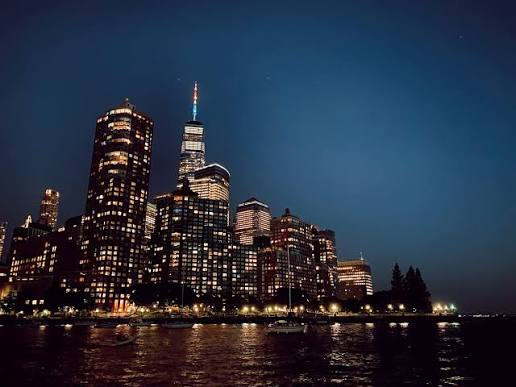
- Night views: A good choice for glowing windows, traffic, and a more dramatic atmosphere.
- Quiet views: Better for travelers who prefer promenades, lawns, and time away from the busiest sidewalks.
Build The Day Around One Main Area
Grouping nearby stops makes a skyline day smoother and more enjoyable. In Midtown, combine a major viewpoint with landmark buildings, public plazas, and dinner. In Lower Manhattan, connect historic streets with harbor scenery and a waterfront walk. A Brooklyn waterfront route can include park time, local cafés, bridge views, and evening photography. For a slower pace, Upper Manhattan can blend parks, museums, and elevated scenery. Travel times can shift because of crowds, rain, street closures, and service changes. Before crossing the city for a reservation, check subway and bus service information so a disrupted route does not turn into a stressful detour. Leave room between major stops instead of scheduling every minute.
Pick The Right Time Of Day
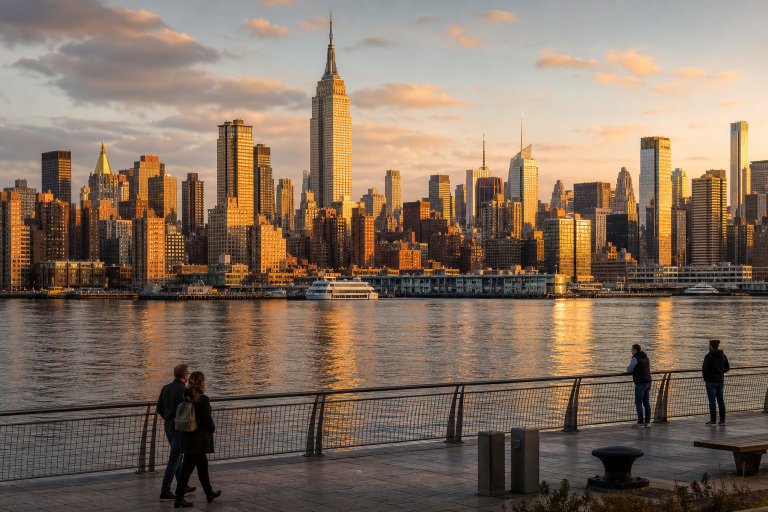
Early morning often brings softer light and calmer sidewalks. Late afternoon works well when the middle of the day has been reserved for a museum, market, or café. Sunset offers warm color but usually attracts larger crowds, while blue hour creates a mix of lingering daylight and illuminated buildings. The late evening can feel less rushed, although visitors should confirm operating hours and transportation plans before staying out. Sunset changes substantially across the year, so check the exact time for the visit date before booking an evening activity. Arriving 30 to 45 minutes before the desired light can make it easier to find an entrance, get oriented, and enjoy the transition rather than chasing it.
Check the weather and visibility before leaving.
A clear-looking forecast does not always mean sharp long-distance views. Humidity, haze, smoke, low clouds, rain, and strong winds can all change the experience from a rooftop or waterfront. Review local weather forecasts and hazard updates on the day of the visit, especially before spending several hours outside or heading to an elevated location. When visibility is poor, shift the plan rather than forcing it. Historic lobbies, museums, covered markets, and neighborhood cafés can keep the day enjoyable until conditions improve. A skyline photo is a bonus, not a reason to ignore comfort or safety.
Use Architecture As Part Of The Experience
The skyline is more than a distant outline. It is made up of stone façades, glass towers, setbacks, terraces, bridges, plazas, and older blocks that reveal how the city has changed over time. While walking, look for repeating shapes, rooftop details, reflections, and the way streets frame taller buildings. A short architectural walk can add depth to any visit to a viewpoint. Compare older masonry buildings with newer towers, then notice how the materials and scale change from one avenue to the next. This approach makes even a simple walk between stops feel purposeful.
Plan For Crowds Without Losing Flexibility
- Reserve time-sensitive attractions when possible.
- Arrive early for popular sunset locations.
- Choose one nearby backup view in case the first option feels too crowded.
- Set an easy-to-find meeting point for groups.
- Allow extra time for security, elevators, transit delays, and photo stops.
Pack For Height, Wind, And Walking
Comfort usually matters more than expensive camera equipment. Wear supportive shoes, carry water and a small snack, bring sunglasses and sunscreen for daytime use, and keep a portable charger for maps and photos. A light layer is useful in every season because elevated and waterfront areas can feel cooler or windier than nearby streets. Check bag rules before visiting any timed attraction.
Build A Simple Skyline Day Itinerary
Morning: Start With A Walk
Begin with a park, waterfront path, historic district, or neighborhood stroll. Starting on foot helps visitors settle into the city before the day’s main event.
Afternoon: Add Indoor Time
Use the middle of the day for a museum, café, market, or architectural stop. This provides a break from heat, cold, rain, and crowded sidewalks.
Evening: Choose The Main View
Make the primary skyline moment the evening focus. Arrive early enough to settle in and watch the light change.
Night: Keep The Finish Easy
Choose a nearby dinner or a short walk instead of adding a distant attraction. A relaxed ending makes the day feel complete.
Common Planning Mistakes To Avoid
- Trying to visit too many viewpoints in one day.
- Ignoring travel time between neighborhoods.
- Assuming the weather will remain stable from morning through evening.
- Planning only for photographs and not for meals, rest, or accessibility needs.
- Forgetting that sunset is often the busiest period.
- Skipping a backup plan for rain, haze, or closures.
Final Planning Checklist
- Choose the type of skyline experience you want.
- Select one primary area and one main viewpoint.
- Confirm weather, visibility, hours, reservations, and access rules.
- Prepare an indoor or nearby outdoor backup option.
- Pack for wind, weather, and walking.
- Leave open time for meals, transit, and unexpected discoveries.
Conclusion
A skyline-focused day in New York City does not need to be complicated. One clear viewpoint, a few nearby stops, and enough breathing room can create a more satisfying experience than an overfilled itinerary. Match the route to the weather, light, and preferred pace, then let the city’s streets and changing views do the rest. Consider planning your main viewpoint around sunrise, sunset, or another time when the city looks especially striking. Leave room for a relaxed meal, coffee break, or spontaneous stop along the way. Comfortable shoes and flexible timing can also make a difference, especially when walking between neighborhoods. Most importantly, avoid trying to capture every famous landmark in one day. A thoughtful route with time to pause, take photos, and enjoy the atmosphere can turn a simple sightseeing plan into a memorable New York experience.