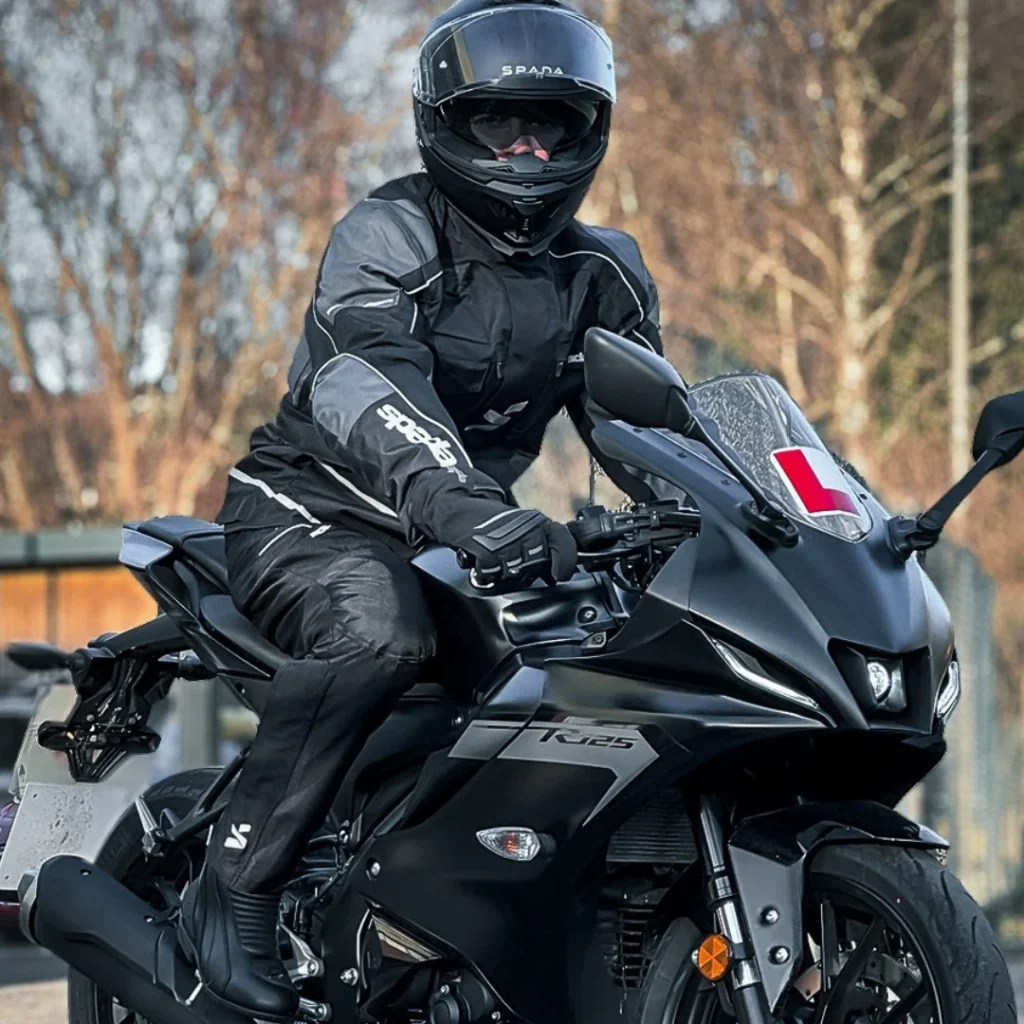
Riding a motorcycle brings a sense of freedom and adventure like no other, but it also comes with inherent risks. According to the National Highway Traffic Safety Administration (NHTSA), motorcyclists are significantly more vulnerable in accidents than car drivers. The right safety gear isn’t just about comfort or style—it can save your life. Investing in high-quality motorcycle protective equipment is crucial for every rider, whether you’re a beginner or a seasoned motorcyclist.
1. Helmet: Your Most Vital Protection
A helmet is the single most important piece of gear a rider can own. It protects your head and brain in the event of a crash, reducing the risk of traumatic brain injury. Look for helmets that meet DOT (Department of Transportation) or ECE (Economic Commission for Europe) standards. Full-face helmets provide the most coverage, protecting the face, jaw, and chin in addition to the skull. Even a short ride around town is no excuse to skip this essential gear.
2. Motorcycle Jackets
Motorcycle jackets do more than keep you warm—they protect your upper body from abrasions and injuries. Jackets made from leather or high-quality textile materials with built-in armor at the elbows, shoulders, and back provide the best protection. Modern jackets often include ventilation panels for airflow, reflective strips for nighttime visibility, and waterproof materials for riding in wet conditions.
3. Gloves: Protect Your Hands
Hands are highly exposed during a ride, making gloves essential. Motorcycle gloves should be made from durable materials like leather or reinforced textiles and include padding for knuckles and palms. Gloves improve your grip on the handlebars, reduce fatigue, and protect against road rash or fractures if you fall. Full-finger gloves are recommended year-round, even in warm weather, as they offer complete protection.
4. Riding Pants
Riding pants are more than just jeans—they’re designed to protect your lower body. Look for pants made from abrasion-resistant fabrics or leather, with armor inserts at the knees and hips. Many motorcycle pants also offer stretch panels for comfort and flexibility. Some riders opt for reinforced jeans or hybrid textile-leather pants that combine style with safety.
5. Boots: Strong Footwear for Strong Protection
Motorcycle boots protect your feet, ankles, and lower legs from injury. Choose boots that cover your ankles, have non-slip soles, and include reinforced toes and heels. Proper boots not only offer protection in a crash but also provide stability while stopping or maneuvering your bike. Avoid sneakers or casual shoes, as they offer little defense in an accident.
6. Eye and Face Protection
If your helmet doesn’t have a built-in visor, invest in high-quality goggles or face shields. Wind, debris, and insects can all impair your vision and cause accidents. Anti-fog and scratch-resistant lenses ensure a clear view, while tinted or polarized lenses reduce glare during sunny rides.
7. Additional Safety Gear
Beyond the basics, consider protective vests, back protectors, and chest armor for maximum protection. High-visibility clothing or reflective vests can make a huge difference in avoiding accidents, especially at night or in low-light conditions. Rain gear, thermals, and neck guards are also valuable for maintaining comfort and focus on longer rides.
8. Training and Awareness
Even with the best gear, accidents can happen. Being a cautious and well-trained rider is just as important as protective equipment. Enroll in certified motorcycle safety courses to learn defensive riding techniques, emergency maneuvers, and proper gear usage. Riding smart is the final layer of protection that complements your equipment.
Safety First, Always
Motorcycle safety gear isn’t optional—it’s a lifesaver. Helmets, jackets, gloves, pants, and boots are essential pieces of armor that protect you from severe injuries. Every ride, no matter the distance or speed, should begin with a gear check. Remember, even the best protective equipment cannot prevent accidents entirely, but it significantly reduces the severity of injuries if one occurs.
In the unfortunate event of a serious accident, having proper documentation and consulting a professional, such as a motorcycle accident attorney in Salt Lake City, can ensure your rights and safety are fully supported.
Invest in quality gear, stay alert on the road, and always ride responsibly. Your life is worth every piece of protection you can get.