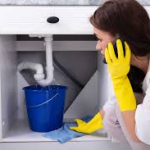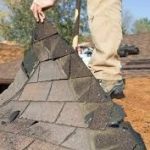
Mold is one of the most common problems homeowners face, especially in warm and humid climates like Florida. While a small patch of mold may not seem like a serious issue, it can spread quickly when moisture is present, damaging building materials and affecting indoor air quality. Whether mold develops after a plumbing leak, roof damage, flooding, or high humidity, taking immediate action is the best way to prevent a small problem from becoming a costly restoration project.
Many people attempt to clean visible mold with household cleaners, but surface cleaning rarely addresses the root cause. Mold often grows behind walls, beneath flooring, inside insulation, and in HVAC systems, where it continues spreading unnoticed. Professional mold remediation focuses on removing mold safely while eliminating the moisture that allowed it to grow in the first place.
What Causes Mold Growth?
Mold needs only three things to thrive:
- Moisture
- Organic material
- Warm temperatures
Florida’s humid climate creates ideal conditions for mold, especially after heavy rain, hurricanes, plumbing leaks, or appliance failures. Even small amounts of trapped moisture behind drywall or under flooring can lead to mold growth within 24 to 48 hours.
Common causes include:
- Burst pipes
- Roof leaks
- Flooding
- Overflowing appliances
- Air conditioning condensation
- Poor ventilation
- High indoor humidity
Addressing the source of moisture is the first step in preventing mold from returning.
Signs You May Have Mold in Your Home
Mold isn’t always visible. It often grows in hidden areas before homeowners notice obvious signs.
Watch for symptoms such as:
- Musty or earthy odors
- Dark spots on walls or ceilings
- Peeling paint
- Warped drywall
- Persistent allergy symptoms
- Increased indoor humidity
- Water stains
- Mold around vents or baseboards
If your home recently experienced water damage, scheduling an inspection is a smart precaution even if mold isn’t immediately visible.
Why Mold Should Never Be Ignored
Mold doesn’t simply disappear on its own. As it spreads, it can weaken drywall, wood framing, insulation, and other building materials.
In addition to structural damage, mold may contribute to:
- Allergy symptoms
- Respiratory irritation
- Persistent coughing
- Sneezing
- Eye irritation
- Unpleasant indoor odors
The longer mold remains untreated, the more extensive—and expensive—the restoration process can become.
Understanding the Mold Remediation Process
Professional remediation involves much more than cleaning visible mold.
A complete restoration typically includes:
Inspection and Moisture Detection
Technicians identify the source of moisture while determining how far mold has spread.
Moisture meters and thermal imaging equipment help locate hidden water behind walls and under flooring.
Containment
The affected area is isolated using containment barriers and negative air pressure to prevent mold spores from spreading throughout the property.
Air Filtration
Commercial HEPA air scrubbers remove airborne mold spores, improving indoor air quality during the restoration process.
Mold Removal
Depending on the extent of contamination, damaged drywall, insulation, carpet, and other porous materials may need to be removed and replaced.
Non-porous surfaces are professionally cleaned and treated with antimicrobial products.
Drying and Dehumidification
Industrial air movers and dehumidifiers eliminate remaining moisture to help prevent future mold growth.
Proper drying is one of the most important steps in successful remediation.
Why Professional Remediation Is Worth It
Many homeowners try to remove mold using bleach or household cleaners.
While this may temporarily clean visible surfaces, it often fails to eliminate hidden mold or address the moisture problem that caused it.
Professional remediation offers several advantages:
- Complete moisture detection
- Safe mold containment
- HEPA air filtration
- Structural drying
- Thorough cleaning
- Prevention of future mold growth
Professionals also follow industry procedures designed to minimize cross-contamination during cleanup.
Mold After Water Damage
One of the leading causes of mold is untreated water damage.
Even after standing water is removed, moisture often remains trapped inside:
- Drywall
- Flooring
- Cabinets
- Crawl spaces
- Insulation
- Structural framing
Without proper drying, mold can begin growing quickly.
For this reason, water damage restoration and mold remediation often go hand in hand.
Why Local Experience Matters
Florida’s high humidity and frequent storms make mold a common concern for homeowners.
Choosing professionals who specialize in mold remediation in Port St. Lucie, FL means working with a team that understands the local climate, common moisture problems, and the best restoration practices for homes in the area. Experienced technicians can identify hidden moisture, safely remove contaminated materials, and recommend solutions that help reduce the risk of future mold growth.
Their knowledge of regional weather conditions and building materials allows them to provide effective, long-lasting remediation solutions.
Preventing Mold in the Future
Although mold cannot always be prevented, homeowners can significantly reduce the risk by taking proactive steps.
Helpful tips include:
- Repair plumbing leaks immediately.
- Keep indoor humidity below 60%.
- Use exhaust fans in kitchens and bathrooms.
- Maintain your HVAC system.
- Clean gutters regularly.
- Inspect your roof after storms.
- Dry wet materials as quickly as possible.
Routine maintenance helps reduce moisture problems before mold has an opportunity to develop.
Conclusion
Mold is more than just an unsightly problem, it can affect your home’s structure, indoor air quality, and overall comfort. Acting quickly after discovering moisture or visible mold helps minimize damage and reduces the cost of restoration.
Whether mold develops after a plumbing leak, flooding, or prolonged humidity, professional remediation ensures the problem is addressed at its source. By removing contaminated materials, eliminating hidden moisture, and preventing future growth, experienced restoration professionals help protect your home and provide lasting peace of mind.