Marketing has become far more precise than it used to be. Years ago, businesses often relied on broad advertising methods that reached large audiences without much control over who actually saw the message. A television commercial, newspaper ad, or billboard might gain visibility, but it also reaches many people who have little interest in the product or service being offered.
Digital technology changed that approach completely. Businesses can now target audiences based on interests, behavior, demographics, and location with remarkable accuracy. One of the most important developments in this shift has been the rise of geographic marketing strategies designed to help companies connect with customers based on where they are physically located.
Consumers increasingly search for products and services while moving through their daily routines. They look for nearby restaurants during lunch breaks, search for local repair companies after unexpected home problems, and compare stores while shopping in real time. Businesses that understand these patterns can position themselves in front of customers during moments when purchasing decisions are most likely to happen.
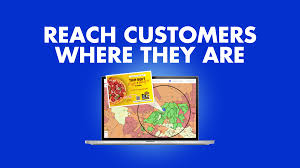
This is where geo-focused marketing becomes especially valuable. Geographic targeting allows businesses to reach the right audience at the right place and time by aligning marketing efforts with customer location and intent. Instead of broadcasting generic messages to everyone, companies can create more relevant experiences that improve visibility, engagement, and sales opportunities.
For businesses competing in crowded markets, this level of precision can make a significant difference.
Why Location Matters in Modern Marketing
Location influences purchasing behavior more than many businesses initially realize. Consumers often prioritize convenience, proximity, and familiarity when making decisions, especially for local services and in-person purchases.
Think about how people search online today. A user rarely searches only for “pizza” anymore. They search “pizza near me,” “best pizza downtown,” or “late-night pizza delivery nearby.” Search engines recognize that geographic context matters and respond by prioritizing businesses located close to the user.
This shift has transformed how companies approach visibility. Businesses no longer compete only through traditional advertising or website design. They also compete for local relevance within search engines, map listings, social media platforms, and mobile apps.
A small coffee shop may not have the advertising budget of a national chain, but it can still compete effectively if it appears prominently in local search results when nearby customers search for coffee shops. Geographic targeting helps level the playing field by focusing on relevance rather than scale alone.
Mobile devices have accelerated this trend dramatically. People search constantly while traveling, shopping, commuting, or attending events. Decisions often happen quickly, which means businesses need to appear at the exact moment local demand exists.
This creates enormous opportunities for businesses capable of aligning their marketing with customer location and timing.
How Geo-Focused Marketing Works
Geo-focused marketing combines several digital strategies that help businesses target audiences based on physical location. Some methods rely on search optimization, while others use mobile data, advertising platforms, or customer behavior analysis.
One common approach is local SEO. Businesses optimize their websites, map listings, and online profiles to appear in searches tied to specific locations. This may include city-specific pages, neighborhood-focused content, or optimized business profiles with accurate addresses and customer reviews.
Paid advertising platforms also offer sophisticated geographic targeting tools. Businesses can choose exactly where ads appear, whether within specific cities, ZIP codes, neighborhoods, or even custom distance ranges around a storefront.
For example, a gym might promote membership offers only to users within ten miles of its location because those audiences are more likely to visit in person. A restaurant could run lunch promotions targeting office workers nearby during midday hours.
Timing matters just as much as location. Businesses increasingly use behavioral and scheduling data to deliver marketing messages when customers are most likely to respond. A coffee shop promoting breakfast specials early in the morning or a rideshare service increasing visibility during weekend nightlife hours demonstrates how timing and location work together.
Social media platforms have also integrated geographic targeting heavily into their advertising systems. Businesses can target audiences attending local events, visiting nearby shopping centers, or traveling within certain areas.
These tools allow companies to create far more personalized and relevant marketing experiences.
A Brief Look at Geo Services
The phrase “geo services” generally refers to marketing tools and strategies that use geographic data to help businesses target audiences more effectively based on location. Geo services may include local SEO optimization, map visibility management, geographic audience analysis, mobile targeting, and location-based advertising campaigns.
For example, a healthcare provider may use geo services to improve visibility within nearby searches while targeting specific communities with localized healthcare messaging. A retail chain may use geographic data to customize promotions depending on customer behavior in different store locations.
Geo services help businesses focus their marketing resources on audiences most likely to engage and convert. Instead of trying to reach everyone, companies can prioritize the customers closest to their service area or physical locations.
This targeted approach often improves efficiency while strengthening local visibility and engagement.
How Geographic Data Improves Audience Targeting
One reason geo-focused marketing has become so effective is the amount of customer data now available through digital platforms. Businesses can analyze where customers live, where they search from, which locations generate the highest conversions, and how behavior differs across regions.
This information allows businesses to make smarter marketing decisions.
Imagine a home services company operating across several suburbs. Without geographic data, the business may spend advertising dollars evenly across all service areas. After analyzing customer behavior, however, the company may discover that certain neighborhoods generate significantly more profitable leads while others produce little engagement.
Armed with this insight, the business can focus its advertising and content efforts more strategically. Landing pages may be customized for high-performing areas. Advertising budgets can shift toward regions producing stronger results. Messaging can even be adjusted based on local customer interests or seasonal concerns.
This level of precision helps businesses avoid wasted spending while improving engagement quality.
Geographic data also helps companies identify growth opportunities. Businesses may discover rising demand in nearby communities or underserved markets where competition remains relatively low.
Instead of relying on assumptions, companies can make decisions based on actual customer behavior patterns.
Why Relevance Improves Customer Engagement
Consumers respond more positively to marketing that feels relevant and timely. Generic advertisements often fade into the background because they lack context or personal connection.
Geo-focused marketing creates stronger engagement because it aligns with real-world situations. Someone searching for a nearby repair service during an emergency is far more likely to engage with a business appearing locally at that moment than with a generic national advertisement.
Local relevance also builds trust. Businesses that reference nearby neighborhoods, regional events, or community concerns often feel more familiar and approachable.
For example, a landscaping company discussing local drought conditions or seasonal lawn challenges creates messaging that feels more useful than broad nationwide content. Customers recognize that the business understands their specific environment and needs.
This localized relevance strengthens customer relationships over time. Businesses become associated not only with products or services, but also with community familiarity and convenience.
That trust often influences purchasing decisions more strongly than businesses expect.
How Geo-Focused Marketing Supports Sales Growth
One of the biggest advantages of geo-focused marketing is how directly it connects visibility with purchasing intent. Customers searching locally are often much closer to making decisions than general online audiences.
A nearby restaurant appearing during a lunchtime search may gain immediate foot traffic. A plumbing company ranking prominently during an emergency repair search may receive urgent calls within minutes.
Because geographic targeting reaches audiences during high-intent moments, conversion rates often improve naturally.
Businesses also benefit from increased efficiency. Marketing budgets stretch further when campaigns focus on nearby audiences capable of becoming customers rather than broad groups with little buying potential.
Over time, repeated local visibility creates stronger brand recognition within communities. Customers begin recognizing businesses they repeatedly encounter across searches, maps, reviews, and social media.
This familiarity contributes to long-term customer loyalty and repeat business.
Conclusion
Geo-focused marketing helps businesses reach the right audience at the right place and time by aligning digital visibility with customer location, intent, and behavior. In a world where consumers increasingly rely on mobile searches and location-based decisions, geographic relevance has become a major factor in successful marketing.
Through local SEO, targeted advertising, geographic audience analysis, and mobile engagement strategies, businesses can improve visibility, strengthen customer engagement, and increase sales opportunities within the communities they serve.
Geo services allow companies to move beyond broad marketing and focus instead on meaningful local connections that support real business growth.
As digital competition continues to increase, businesses that understand how to combine location, timing, and relevance effectively will likely remain in a much stronger position to attract customers and build long-term success within their market.