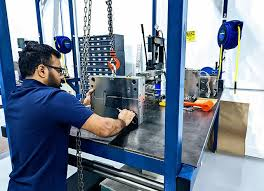
Micro molding is revolutionizing the medical device industry by enabling the creation of ultra-precise, miniature components essential for advanced healthcare solutions. As the demand for more complex, reliable, and less invasive medical devices increases, micro molding has emerged as a critical manufacturing process. Not only does it enable previously impossible device architectures, but it also helps reduce overall size and weight, directly supporting trends in medical miniaturization. Learn more about medical device micro molding and its growing impact across healthcare applications.
This article examines recent advances in micro molding and its impact on modern medical devices. It details the technologies driving innovation and emphasizes the importance of sustainability, automation, and quality control in this manufacturing process. As the demand grows for smaller, complex medical devices, micro molding proves essential for reliable production, offering precision and scalability that ensure consistent quality, vital for patient safety. Ongoing research and technological developments further enhance the capabilities of micro molding, expanding the functionalities of medical devices and supporting advancements in medical engineering globally.
Introduction to Micro Molding
Micro molding is a specialized manufacturing process used to produce extremely small, tightly-toleranced components, typically weighing less than a gram. This technology is indispensable in the rapidly evolving medical device sector, supporting the trend toward miniaturization and enabling the fabrication of complex geometries at microscopic scales. These high-precision parts enable a multitude of modern healthcare devices, from implantable sensors to minimally invasive surgical tools.
Micro molding incorporates a diverse range of materials and approaches to adapt to highly specific use cases. Thermoplastics, silicones, and bioresorbable polymers are commonly used to ensure both biocompatibility and mechanical strength. The tight tolerances and superior surface finishes achievable with micro molding enable it to address the multifaceted requirements of next-generation medical devices, supporting applications that demand not only smaller parts but also greater reliability and integration with electronic and sensor technologies.
Advancements in Micro Molding Technology
Technological innovation is driving the evolution of micro molding. The introduction of machines such as the MHS M3 micro molding platform has increased reliability, scalability, and precision, enabling high-volume production of direct-gated micro parts with minimal material waste. Engineers can now produce components as small as 10 milligrams, with intricate details and exceptional reproducibility, which is vital for medical device applications.
Additionally, the incorporation of advanced software and simulation tools into the design and tooling phases has enabled manufacturers to optimize molds more precisely, reducing development cycles and increasing first-shot success rates. These advancements help minimize the traditional trial-and-error process, accelerating innovation and bringing new medical devices to market faster than ever before. As tolerances become ever finer, manufacturers are turning to sophisticated tooling techniques, such as electric micro milling and high-resolution additive manufacturing, to meet the ultra-demanding requirements of the healthcare industry.
Applications in Medical Devices
The medical field depends heavily on micro molding to create innovative device components. These include drug delivery systems, microfluidic chips for diagnostic screening, implantable devices, and components in wearable technology. Freudenberg Medical’s use of micro molding, for example, enables the production of punctum plugs for the treatment of dry eye as well as custom solutions for minimally invasive surgeries. The versatility of the process enables the manufacture of geometrically complex, biocompatible parts at a fraction of the time and cost of traditional methods.
Greater customization is also possible with micro molding, enabling the development of implantable markers, microcatheters, and components for in vivo sensors. Advances in materials science, including the integration of antimicrobial and drug-eluting polymers, have expanded the functional potential of micro-molded parts. As many medical devices move toward patient-centric designs, the ability to create micron-level features is increasingly crucial for personal comfort, enhanced safety, and improved overall patient outcomes.
Automation and Quality Control
Automation strengthens the micro molding process by introducing consistency, speed, and reliability to production lines. Cutting-edge systems leverage in-process vision inspection and real-time data monitoring, such as cavity pressure sensors, to ensure every molded part meets stringent quality standards. Automated handling and traceability software further reduces human error, which is critical when manufacturing micro-scale components for life-sustaining medical devices. Quality assurance must be robust due to regulatory demands and the unforgiving tolerance requirements of medical assemblies.
Statistical process control methods and digital monitoring help maintain critical tolerances and validate production runs. Automated assembly, packaging, and inspection lines can operate around the clock, delivering higher throughput and more efficient operations. The combination of automation and advanced quality control offers clear benefits for both device manufacturers and patients by minimizing the likelihood of defects and accelerating product delivery timelines.
Sustainability in Micro Molding
Sustainability is increasingly prioritized within the micro molding sector. Manufacturing methods such as direct gating reduce or eliminate material waste, improving both efficiency and environmental impact. Furthermore, the industry is experimenting with biocompatible and recyclable polymers, including those suitable for sustainable single-use devices or implants. Many companies are shifting towards energy-efficient equipment and closed-loop production systems that reduce waste and lower their carbon footprint, aligning their operations with healthcare’s broader sustainability goals.
Regulatory trends and consumer demand are also incentivizing manufacturers to certify their supply chains and report on environmental performance. Micro molding’s efficiency, with fewer raw materials used and minimized scrap, makes it an inherently greener alternative to other manufacturing techniques. This not only supports corporate sustainability initiatives but also helps hospitals and clinics meet their environmental targets, as the shift toward greener healthcare solutions continues.
Future Trends
The future of micro molding in healthcare promises further miniaturization, breakthroughs in advanced materials science, and more intelligent automation. Next-generation devices will need even smaller, more complex parts to support emerging therapies and unobtrusive monitoring solutions. Market-driving trends include bioresorbable implants, implantable drug-delivery systems, and smart diagnostic devices, all of which demand precise, repeatable micro-molding processes. As digital health and personalized medicine continue to expand, micro molding’s role in developing tailored, high-performance products will only become more prominent. Visionaries in the medical device industry also expect to see improvements in cost efficiency and faster time-to-market, benefits derived directly from maturing micro-molding technologies.
An increasing focus on integrating microelectronics and hybrid devices is anticipated in the coming years. As micro-molding techniques advance, collaboration between electronics and polymer scientists is driving the development of novel platforms for combined diagnostics and therapeutics, often described as “theranostics.” These products will require even tighter bonding between micro-molded parts and electronic components, creating opportunities for hybrid processes and innovative device architectures at unprecedented scales.
Conclusion
Innovations in micro molding are transforming medical device manufacturing by enabling the production of complex, high-performance components. This advancement is essential for the development of smaller, safer, and more effective medical devices. The technology’s evolution is crucial for advancing therapies, diagnostics, and minimally invasive treatments, thereby improving patient outcomes. Micro molding represents a pivotal trend, influencing healthcare delivery and fostering collaboration among manufacturers, materials scientists, and healthcare professionals to adapt to clinical and regulatory demands.