Key Takeaways
- Fast charging networks have expanded significantly, reducing charging times and making electric vehicle (EV) road trips more practical.
- Advances in battery and charging infrastructure are overcoming the limitations of EV travel.
- Ongoing challenges, such as charging-station availability and compatibility, still require attention to make further progress.
Electric vehicle (EV) road trips that once seemed logistically challenging are now within reach for more drivers, thanks to remarkable advancements in fast charging technologies. These innovations have addressed major pain points, such as charging speed and station availability, unlocking new possibilities for travel. Understanding how DC fast charging works is essential for anyone considering an EV for longer journeys or interstate adventures.
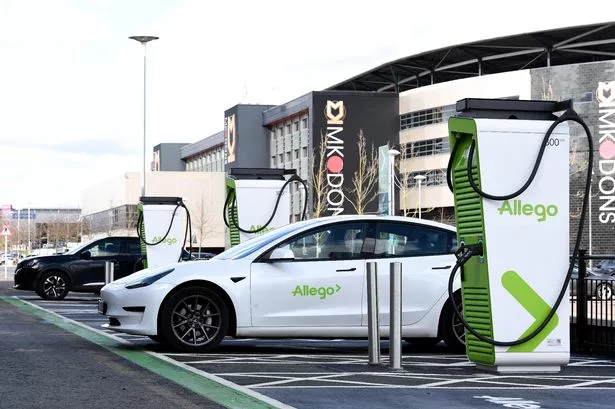
The landscape of EV travel is changing rapidly, with thousands of new high-speed charging stations appearing along major highways and in rural areas alike. A modern EV road trip can now be planned with confidence, thanks to many stations offering a 100-mile recharge in less than 10 minutes. For drivers new to EV travel, the difference in charging infrastructure compared to just a few years ago is immediately noticeable, reducing anxiety and reshaping expectations.
A combination of public and private investments and growing consumer demand is fueling this boom in fast-charging infrastructure. As infrastructure builds out, car manufacturers are responding by focusing research on battery materials and systems that work harmoniously with ultra-fast chargers, offering even more rapid turnaround at charging stops.
Alongside the expanding network, new route-planning software helps drivers optimize wait times and find compatible chargers conveniently along their route. By integrating real-time data on charger availability and charging speeds, these tools reduce travel time and stress, especially on longer journeys.
The Expansion of Fast Charging Networks
Over the past year, the United States witnessed a nearly 50 percent increase in ultra-fast charging stations. In 2025 alone, approximately 11,300 new high-speed chargers were added, demonstrating the market’s growing commitment to supporting long-distance EV travel. These stations, capable of delivering a substantial charge in mere minutes, have dramatically shortened the stops required during a road trip. According to the Los Angeles Times, these improvements are helping convert skeptics into EV enthusiasts by making road trips straightforward and efficient.
Technological Innovations Enhancing Charging Speed
Next-generation battery chemistries and pack architectures are at the heart of these advancements. New lithium-metal batteries, for example, can power a 500-mile journey with just a short, 12-minute session at a compatible ultra-fast station. This innovation directly addresses concerns about charging downtime, making EVs far more appealing for both daily and long-distance use. Additional research on solid-state batteries and advanced power electronics promises to accelerate these timelines even further in the near future. Find more on these developments at Live Science.
Improved Route Planning and Charging Station Availability
Traveling in an EV no longer means nervously monitoring remaining range or endlessly searching for the next compatible station. Today’s adaptive route planners synthesize data from multiple charging networks in real time, displaying both waiting times and charger statuses while accounting for preferred speeds and charging costs. These systems, aided by partnerships between automakers and mapping service providers, minimize unexpected detours and ensure a smooth journey.
The ubiquity of major charging networks along highways relieves many of the uncertainties that once plagued electric road trips. As algorithms and user databases improve, trip planning is set to become even more dynamic and efficient, personalizing routes for unique driver needs and real-life traffic patterns. For a deeper dive into these innovations, view research from arXiv.
Challenges in Charging Infrastructure
Despite these advancements, several hurdles remain on the path to truly seamless EV travel. Compatibility issues persist between different vehicle brands and charging networks, with some drivers requiring multiple apps or RFID cards to initiate a session. Cable lengths and charging-station placement can also make the process cumbersome for certain vehicle models. Public charging, while growing in availability, is often more expensive than charging at home, which can add to the costs of longer trips. According to Axios, these persistent issues highlight the need for industry-wide standards and better customer experience initiatives.
Government Policies and Their Impact
Public policy plays a fundamental role in the pace of EV charging infrastructure growth. Recent regulatory moves, including withholding infrastructure funds from certain states and imposing stricter manufacturer requirements, have caused delays and uncertainty in expansion efforts. While these policies aim to improve quality and safety, their short-term impacts can slow down progress toward a fully realized fast-charging network. More on these impacts can be found in an AP News report.
The Future of EV Road Trips
The future of road-tripping in electric vehicles is promising, with both public and private sectors investing aggressively in new solutions. Ongoing development in battery chemistry and fast charging standards, combined with a maturing policy environment, is expected to eliminate many current barriers. As these efforts converge, long-distance EV travel will become not just feasible but also convenient and affordable for the vast majority of consumers.
Additionally, innovations such as vehicle-to-grid (V2G) integration and smart charging algorithms are likely to create new ways for EVs to interact with local energy grids, further enhancing efficiency and value for drivers. Expanded partnerships between charging networks, utilities, and car manufacturers will also facilitate interoperability and help standardize user experiences. Looking ahead, autonomous EVs could further change road-trip dynamics, as they could optimize charging stops and driving patterns through artificial intelligence. With research and infrastructure developing at an accelerated pace, the next generation of EV road trips will likely set new standards for sustainability, comfort, and convenience on the open road.
Conclusion
Fast charging technology is rapidly transforming the electric vehicle experience, especially for those who love to travel long distances. The expansion of reliable, high-speed charging networks and progress in battery science are quickly closing the gap between EVs and traditional gasoline cars. While a few challenges remain, the next few years promise even greater improvements, cementing the electric vehicle as a viable choice for road-trip enthusiasts everywhere. As the infrastructure becomes more robust and technology continues to evolve, EV road trips will not only become easier but also more enjoyable, environmentally responsible, and accessible to a wider range of people than ever before.