A sewer line problem rarely begins with a dramatic collapse. More often than not, it starts with subtle signs that are easy to ignore, such as a slow drain, a faint odor, or an occasional gurgling sound. Those early warnings matter because underground plumbing issues can spread quietly before obvious damage appears inside or outside the home. Plumbers look for these small changes to identify trouble before it turns into backed-up fixtures, saturated soil, cracked piping, or interior water damage. Early detection protects the property, reduces repair disruption, and helps homeowners address the real source of the problem before the sewer system reaches a more costly stage.
How Camera Inspections Expose Sewer Trouble
- Early warning signs
Plumbers often detect sewer line problems by paying close attention to patterns that homeowners may dismiss as isolated plumbing annoyances. A single clogged sink may point to a local fixture issue, but when several drains start draining slowly at the same time, the concern becomes much more serious. Toilets that bubble when a sink drains, tubs that unexpectedly fill with wastewater, or repeated backups in lower-level fixtures can all suggest a developing obstruction or restriction in the main sewer line. Sewer odors around drains, floor openings, or outdoor areas may also indicate that waste is not moving through the line the way it should. In many cases, plumbers compare how fixtures are performing throughout the property to determine whether the problem is isolated to one branch or affects the entire drain system. They also ask when symptoms occur, whether backups happen during heavy water use, and whether the issue has become more frequent over time. That pattern-based approach helps plumbers distinguish between a minor drain issue and a deeper sewer line problem before the damage grows into structural, sanitary, or landscaping concerns.
- Inspection tools reveal hidden conditions.
Once the warning signs point toward a larger drainage issue, plumbers use inspection methods that help them see what is happening inside the sewer line without relying on guesswork. Video camera inspections are one of the most useful tools because they allow plumbers to identify grease buildup, root intrusion, pipe misalignment, cracks, corrosion, and sections where waste is no longer flowing correctly. This matters because sewer problems can develop far below the surface while the property above still appears normal. A camera inspection can also show whether the line has bellied, meaning a section has sunk and is collecting waste instead of moving it forward efficiently. In some cases, plumbers combine camera findings with drain flow testing to determine the severity of the blockage or structural problem. Homeowners dealing with recurring backups may look into Papillion, NE Plumbing Service for a closer evaluation of sewer line conditions before major excavation or interior damage becomes necessary. By identifying the precise location and nature of the issue, plumbers can recommend a repair approach based on evidence rather than symptoms alone.
- Surface changes can point below ground
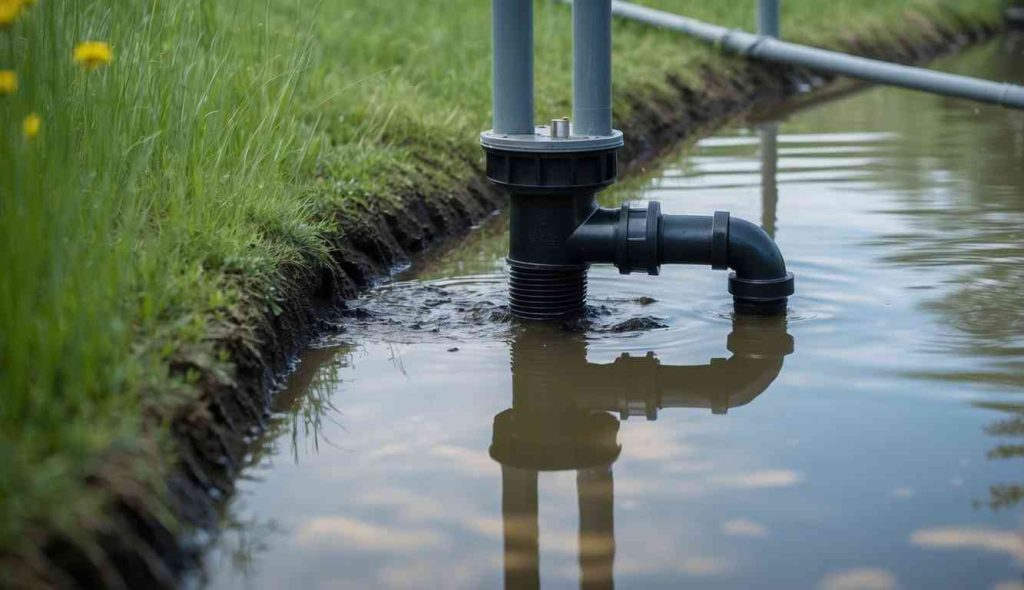
Sewer line detection does not always begin indoors. Plumbers also inspect outdoor conditions because damage to underground pipes often creates visible changes above the buried line. A section of lawn that stays unusually wet, sunken soil, extra-green patches of grass, or persistent foul smells near the yard can all suggest that wastewater is escaping before it reaches the municipal connection or septic destination. Cracks in nearby pavement or shifting ground may also signal movement around the sewer path. These clues become even more important in older properties, where aging materials, root invasion, or soil settlement may have gradually weakened the line over many years. Plumbers evaluate the system’s age, repair history, and nearby tree growth to determine what may be affecting the underground pipe. They also consider whether seasonal weather, heavy rain, or long-term ground movement could be increasing the strain on the line. Looking at the property as a whole helps plumbers connect drainage symptoms to the physical environment, often leading to earlier detection and more accurate decisions about whether cleaning, spot repair, lining, or replacement is needed.
Early diagnosis limits larger repairs.
Major sewer damage is often preventable when early symptoms are taken seriously and investigated with the right process. Plumbers detect developing sewer line problems by studying drainage patterns, listening to homeowner observations, inspecting the property surface, and using internal camera technology to confirm what is happening below ground. That combination makes it easier to find blockages, root intrusion, pipe separation, and other hidden issues before wastewater backs up into the home or damages the surrounding soil. When the problem is identified early, repairs are usually more controlled, less disruptive, and easier to plan. A sewer line does not need to fail before it deserves attention. Timely detection keeps small warning signs from becoming major property problems.