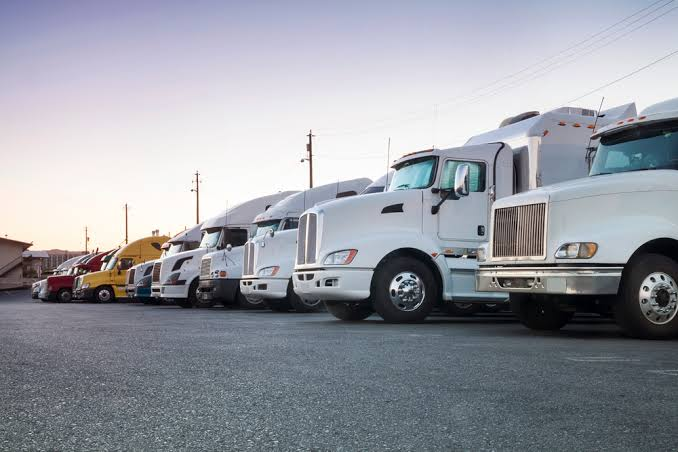
Florida’s trucking industry is entering a new era, with legislative updates aimed at road safety and regulatory compliance. Whether you are a commercial driver, a company owner, or simply a concerned road user, staying current on these shifting laws is vital for safety and legal protection. For those involved in collisions, consulting experienced truck accident attorneys in Orlando provides crucial guidance on navigating the aftermath in this changing environment.
Recent statutory changes modify everything from roadside safety protocol to commercial driver licensing, with direct impacts on truckers and the businesses they represent. These measures are designed to enhance safety and accountability while meeting federal and state standards. Understanding the updates is essential for anyone interacting with Florida’s trucking sector.
Enhanced ‘Move Over’ Law
Starting January 2024, Florida broadened its ‘Move Over’ law to require drivers to switch lanes or slow down not only for emergency vehicles but for any stationary vehicle displaying hazard lights. Previously, the law protected only first responders and certain service vehicles, but it now aims to keep all roadside occupants safer. The law was expanded following significant incidents involving stopped motorists and responders, a sobering reality that prompted swift, bipartisan legislative action. For a deeper look at roadside safety initiatives, see this Miami Herald overview.
Truck drivers, who often travel at high speeds and require more time to maneuver, are especially affected by these updated statutes. Commercial drivers must now remain vigilant whenever approaching any stopped vehicle, not just those with official markings, and be prepared to reduce speed significantly or move over as safety permits. This adjustment is intended to curb the number of secondary accidents, which can lead to severe injuries and traffic disruption.
It’s important to note that failure to comply with the enhanced ‘Move Over’ law can result in steep fines and points against a commercial driver’s license, impacting an operator’s insurance and job security. The law is part of a statewide safety campaign, frequently highlighted in media and roadside signage, and has become a focal point in safety education courses for all Florida drivers. For trucking companies, extra training is recommended to reinforce best practices around this key safety requirement, and fleet managers are investing in telematics to monitor compliance and reduce risk exposure.

Stricter CDL Requirements for Noncitizens
Responding to the growing scrutiny of commercial driver qualification, federal agencies have imposed new restrictions on how noncitizens can obtain a Commercial Driver’s License (CDL) in Florida. Only noncitizens with certain visa categories are now eligible, and verification of immigration status is mandatory at every step of the licensing process. Prior incidents involving drivers with questionable eligibility, including a widely reported fatal crash, accelerated these reforms.
The new requirements enhance public safety by ensuring that all CDL holders meet rigorous standards for competency and legality. Companies found in violation face substantial penalties. The onus is now on trucking companies to meticulously verify documentation before putting any driver on the road.
Moreover, applicants and current CDL holders who are noncitizens must now undergo more frequent status checks, including audits of Department of Homeland Security databases. This stringent scrutiny affects recruitment policies, as companies compete for a shrinking talent pool. Human resource departments have had to adapt quickly, revising onboarding workflows and expanding legal consultations to help navigate the evolving regulations. As a result, there is growing advocacy for comprehensive immigration reform to support the essential transportation workforce.
Autonomous Trucking Regulations
Embracing the next phase of transportation technology, Florida allows autonomous trucks to operate without a human driver present if they comply with designated legal and insurance protocols. Under Florida Statute 316.85, firms can deploy self-driving vehicles for testing and regular operation, making the state a focal point for the autonomous trucking industry. Proponents believe this approach will address labor shortages while increasing highway efficiency. However, new concerns about safety and liability are emerging, particularly in the event of equipment failure or cyber-attacks.
To address the rapidly developing field, state agencies have initiated task forces to examine the unique challenges posed by artificial intelligence and remote monitoring. These groups work closely with technology providers to set standards for emergency override systems and insurance minimums. As autonomous vehicle pilots increase on Florida highways, manufacturers are required to report incidents and share data with regulators to ensure transparency and support further policymaking. This collaborative approach aims to build public trust, while also positioning Florida as a national leader in next-generation freight transport.
Addressing Fatigue-Related Accidents
Fatigue is among the most pervasive threats in the trucking world, sometimes leading to catastrophic accidents. In 2023, Florida’s House Bill 837 reformed the handling of negligence lawsuits, cutting the statute of limitations for filing from four years to two, and shifting to a modified comparative negligence model. Truck drivers and their employers must now track and enforce federal Hours of Service more stringently and prioritize rest to help minimize fatigue-related crashes. The legal framework makes it increasingly urgent for companies to implement robust compliance programs that monitor and prevent driver fatigue incidents.
Increasingly, Florida-based trucking firms are turning to electronic logging devices (ELDs) and driver wellness programs to bolster compliance and reduce liability. These efforts include fatigue awareness education, stress management resources, and real-time alerts to supervisors if a driver’s schedule is nearing federal or state limits. By taking a proactive stance, companies hope not only to avoid legal trouble but also to improve industry safety outcomes genuinely. However, critics argue that even tougher enforcement is needed, as economic pressures sometimes incentivize unsafe practices, especially for independent operators facing tight delivery deadlines.
Legal Changes in Truck Accident Litigation
New Florida laws have made the aftermath of truck accidents more complicated for injured parties seeking compensation. Key changes include alterations in how medical expenses are presented during trials and further shortening of the time to submit personal injury claims. While these measures seek to streamline litigation and curb excessive payouts, they create challenges for accident victims pursuing fair settlements. Industry advocates praise the new statutes for bringing necessary balance, but critics say they can hinder justice for crash victims.
Additionally, the introduction of new evidence rules and caps on certain types of damages has shifted the litigation landscape, requiring injury victims and their attorneys to adapt their strategies. Many legal professionals recommend seeking immediate legal counsel after a collision, as delays in pursuing claims may now result in loss of rights or important evidence. The evolving nature of trucking litigation reinforces the importance of understanding both recent statutory changes and the nuances they introduce into courtroom proceedings.
Conclusion
Florida’s trucking laws continue to evolve to improve safety, adapt to new technology, and streamline legal processes. Truckers, company operators, and legal professionals must stay up to date with these reforms to ensure both compliance and the safety of every individual on the roadway. Keeping informed and prioritizing responsible practices will help minimize risk and promote safer roads throughout the state.
With more significant policy changes likely in the years ahead, ongoing education and awareness will be critical. Maintaining open dialogue between lawmakers, industry leaders, and road safety advocates will further ensure that regulations remain effective and balanced. Whether you are making operational decisions, defending a claim, or simply sharing the road, understanding Florida’s trucking laws is an investment in your safety and the future of transportation.