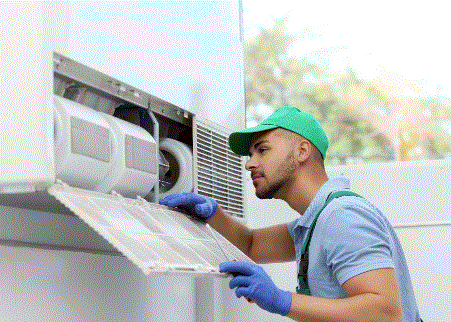
As temperatures begin to climb, homeowners rely on their air conditioning systems to keep their homes cool and comfortable. Unfortunately, many people don’t realize there’s a problem with their cooling system until it stops working on one of the hottest days of the year. A sudden breakdown can leave your family uncomfortable and result in expensive emergency repairs.
Recognizing early warning signs allows you to address minor issues before they become major ones. Scheduling repairs before peak summer demand can also help you avoid longer wait times and higher repair costs. Whether your unit is making unusual noises, struggling to cool your home, or causing utility bills to spike, paying attention to these symptoms can save both time and money.
Here’s how to tell when your AC system is asking for professional attention.
Weak Airflow Throughout the Home
One of the first signs something is wrong is weak airflow coming from your vents. If some rooms remain warm while others cool normally, your system may be struggling to circulate air effectively.
Several issues can contribute to poor airflow, including:
- Dirty air filters
- Blocked ductwork
- A failing blower motor
- Frozen evaporator coils
- Fan problems
Ignoring weak airflow forces your system to run longer than necessary, increasing wear on important components. A qualified technician can inspect the system, identify the source of the restriction, and restore proper airflow before the problem worsens.
Warm Air Instead of Cool Air
If your thermostat is set correctly but warm air is coming from the vents, your cooling system likely has a mechanical or refrigerant-related issue.
Possible causes include:
- Low refrigerant levels
- Compressor failure
- Thermostat malfunctions
- Electrical component issues
- Dirty condenser coils
Warm air should never be ignored, especially as outdoor temperatures begin rising. Prompt diagnosis helps prevent additional damage while restoring your home’s comfort quickly.
Unusual Noises During Operation
Air conditioners naturally make a low humming sound while running. However, loud or unusual noises often signal internal problems.
Listen for sounds such as:
- Grinding
- Screeching
- Banging
- Clicking
- Buzzing
- Rattling
Each noise points to a different issue, from loose components to failing motors or damaged fan blades. Addressing these problems early often prevents costly replacements later.
Rising Utility Bills
Many homeowners first notice a problem when their monthly electric bill suddenly increases without any significant change in usage.
Several factors can reduce system efficiency, including worn parts, clogged coils, restricted airflow, or refrigerant leaks. As efficiency drops, your cooling equipment consumes more electricity while delivering less comfort.
Many homeowners notice increased energy bills during hot weather because an already struggling system must work even harder as outdoor temperatures climb. Having the system inspected can restore efficiency and lower operating costs before summer reaches its peak.
Frequent Cycling
Your AC should cycle on and off at regular intervals to maintain indoor comfort.
If the system constantly starts and stops, it may be experiencing short cycling.
Common causes include:
- Dirty air filters
- Oversized equipment
- Refrigerant problems
- Electrical issues
- Faulty thermostats
Short cycling increases energy consumption while placing unnecessary stress on the compressor, one of the most expensive components to replace.
Excess Indoor Humidity
Your air conditioner removes moisture from indoor air while cooling your home.
If your home suddenly feels damp, sticky, or uncomfortable despite the AC running, the system may no longer be removing humidity effectively.
High indoor humidity can also encourage:
- Mold growth
- Mildew
- Poor indoor air quality
- Unpleasant odors
- Damage to wood flooring and furniture
Professional diagnosis helps restore proper humidity control while improving overall comfort.
Water Leaks Around the Unit
Moisture around your indoor unit should never be ignored.
Although some condensation is normal, visible water pooling around the system often indicates:
- A clogged condensate drain
- Frozen evaporator coils
- Drain pan damage
- Condensate pump failure
Water leaks can damage flooring, drywall, and nearby furnishings if left unresolved. Early repairs help prevent costly property damage.
Bad Odors Coming from the Vents
Strange smells often indicate hidden problems inside your cooling system.
Some common odors include:
Musty smells
Usually caused by mold or mildew inside the evaporator coil or ductwork.
Burning odors
Often indicate electrical problems or overheating components.
Chemical smells
May point to refrigerant leaks or damaged insulation.
Professional inspection identifies the source safely while protecting your indoor air quality.
Why AC Systems Struggle During Summer
Many homeowners wonder why AC systems fail in summer even though everything seemed fine during spring.
The answer is simple.
Summer places maximum demand on every component. Systems that have minor issues throughout the year are forced to operate for much longer periods during extreme heat. Weak capacitors, worn motors, dirty coils, and aging compressors often fail once they are pushed beyond their limits.
Scheduling inspections before temperatures soar allows technicians to identify developing problems while repairs are still relatively simple.
The Value of Preventive Care
Routine HVAC maintenance remains one of the best investments homeowners can make.
Preventive maintenance typically includes:
- Cleaning condenser coils
- Replacing air filters
- Checking refrigerant levels
- Inspecting electrical connections
- Lubricating moving parts
- Testing thermostat accuracy
- Examining blower components
- Clearing condensate drains
These services improve efficiency, reduce breakdowns, extend equipment life, and help maintain manufacturer warranties.
Don’t Ignore Small Problems
Many homeowners delay repairs because the system is still operating.
Unfortunately, small issues rarely fix themselves.
A loose electrical connection can become compressor damage.
Restricted airflow can freeze coils.
Low refrigerant can permanently damage expensive components.
Addressing concerns early usually results in simpler repairs, lower costs, and greater system reliability throughout the cooling season.
Choosing a Trusted HVAC Professional
When selecting a contractor, look for a company that provides comprehensive HVAC service backed by experienced technicians and transparent recommendations.
A reputable HVAC company should:
- Perform complete system inspections
- Clearly explain repair options
- Offer preventive maintenance plans
- Use quality replacement parts
- Stand behind their workmanship
- Respond promptly during peak cooling season
Working with experienced professionals ensures your system receives the proper care needed to perform efficiently all summer long.
Conclusion
Your air conditioner often provides warning signs before a complete breakdown occurs. Weak airflow, warm air, unusual noises, water leaks, rising utility bills, and excessive humidity all indicate that professional attention may be needed. Acting quickly not only helps prevent unexpected failures but also improves comfort, energy efficiency, and the overall lifespan of your cooling system.
Rather than waiting until the hottest day of the year to discover your AC has stopped working, schedule an inspection as soon as you notice something isn’t right. A proactive approach helps you stay comfortable, avoid expensive emergency repairs, and enjoy dependable cooling throughout the summer months.